Pond & Koi Keeping, Seasonal Care Tips
Preparing Your Pond for Winter: A Koi Keeper’s Checklist
Jul
As water temperatures drop, koi ponds need a shift in routine to keep fish healthy through the winter months.
Adjust Feeding Gradually
Reduce feeding frequency as water temperature falls below 60°F, switching to an easily digestible cold-water formula, and stop feeding entirely once temperatures drop below roughly 50°F. See our Complete Guide to Koi Pond Keeping for year-round feeding guidance.
Keep a Hole in the Ice
In climates where the pond surface freezes, maintaining an open hole (via an aerator or floating de-icer) allows toxic gases to escape and oxygen to enter.
Reduce Filtration Maintenance Frequency
Beneficial bacteria slow down significantly in cold water, so avoid heavy filter cleaning during winter, which can disrupt the reduced biological activity your pond still depends on.
Trim Back Dying Plant Matter
Remove dying leaves and plant matter before they decay in the pond, which can otherwise foul water quality under the ice.
Monitor, Don’t Disturb
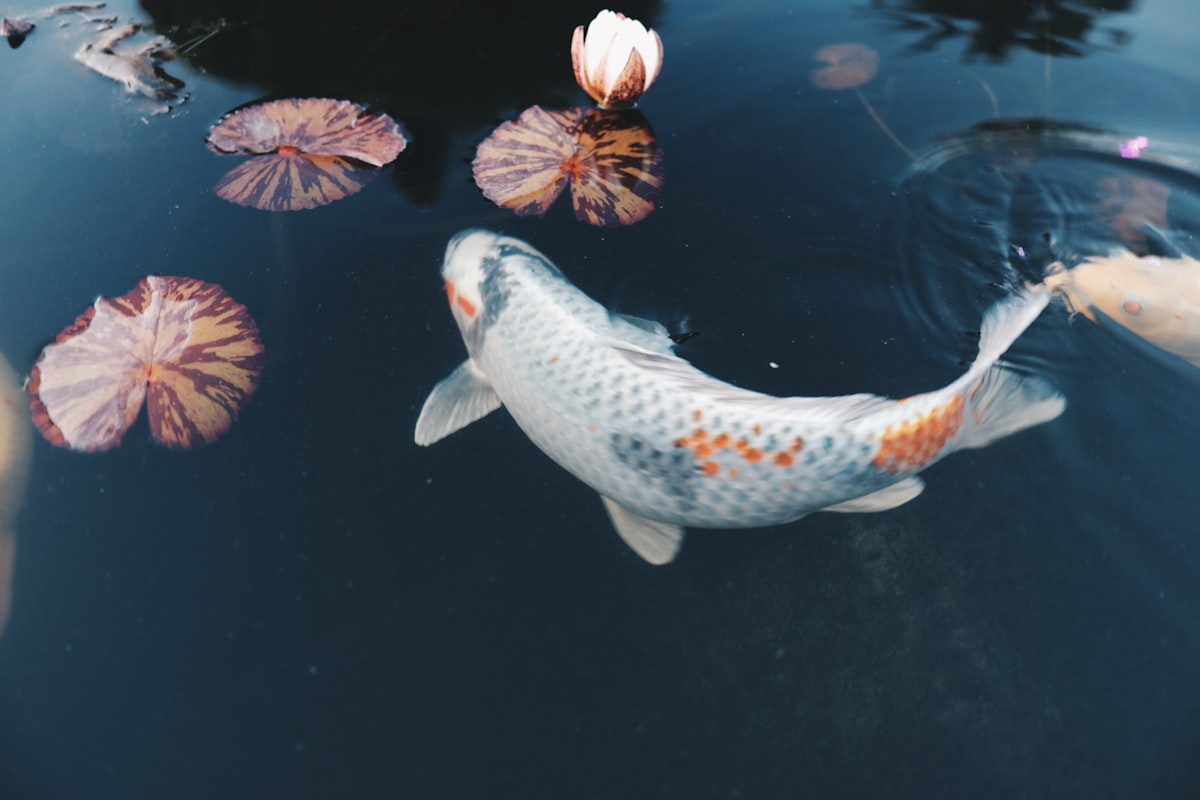
Koi become sluggish and rest near the pond bottom in winter — this is normal, and unnecessary disturbance during this dormant period causes unneeded stress.
