Beginner Guides
The Environmental Impact of Responsible Fishkeeping
Sep
Fishkeeping intersects with broader environmental questions, and a few conscious choices help hobbyists enjoy the hobby while minimizing its footprint.
Choosing Captive-Bred Stock
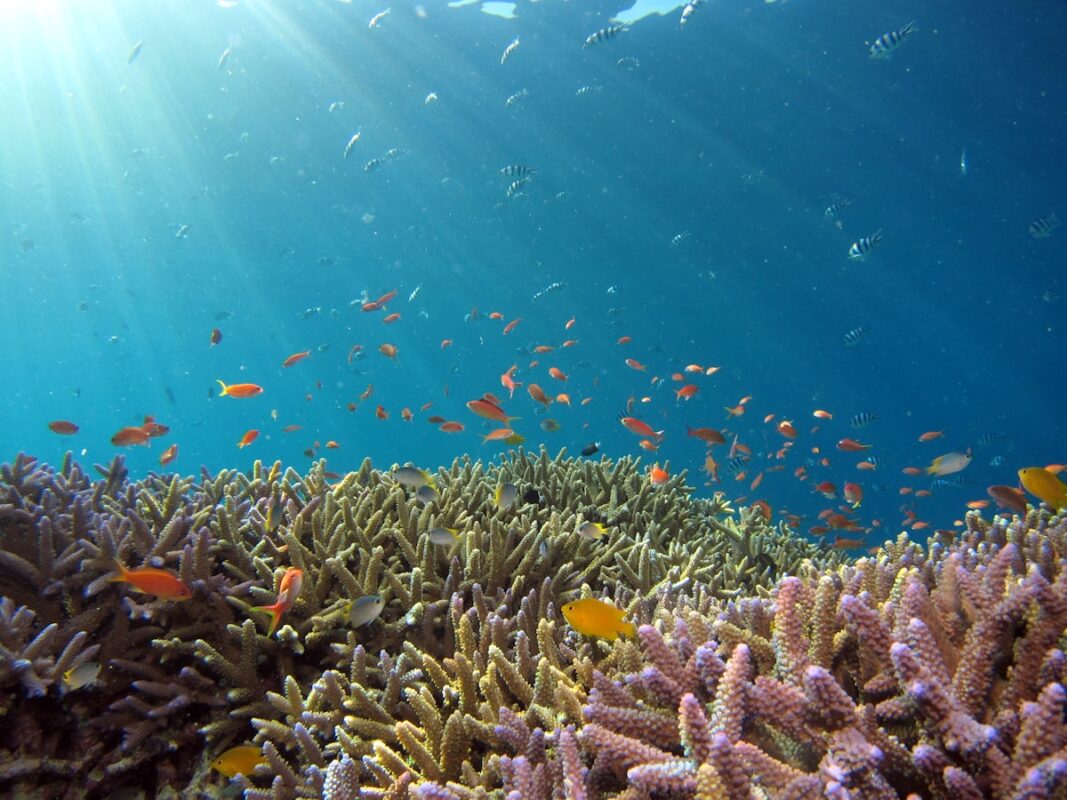
Wherever possible, captive-bred fish and coral (see our captive-bred vs. wild-caught guide) reduce pressure on wild populations and reef habitats.
Never Release Fish Into Local Waterways
Releasing unwanted aquarium fish into local ponds, rivers, or lakes can introduce invasive species that devastate native ecosystems — always rehome unwanted fish through a store, another hobbyist, or a rescue instead.
Sustainable Coral Sourcing
Buying coral frags rather than wild colonies, discussed in our frags vs. colonies guide, supports propagation over wild collection.
Responsible CITES-Listed Species
For regulated species like certain arowana varieties, confirming legal, well-documented sourcing (see our CITES and arowana guide) supports responsible trade practices.
Small Choices Add Up
From energy-efficient equipment to thoughtful stocking decisions, small everyday choices collectively shape the hobby’s broader environmental footprint.
